Applied behavior analysis

Applied behavior analysis looks closely at what happens before and after a behavior, and uses that to teach skills.
A favorite toy is in sight, just out of reach.
Your child points, signs or says “more.”
The toy comes back. Asking worked, so it's worth trying again.
No. Autism isn't an illness to cure, and ABA isn't a cure.
ABA teaches skills, like asking for help or coping with a change of plan. What each child learns, and how fast, varies.
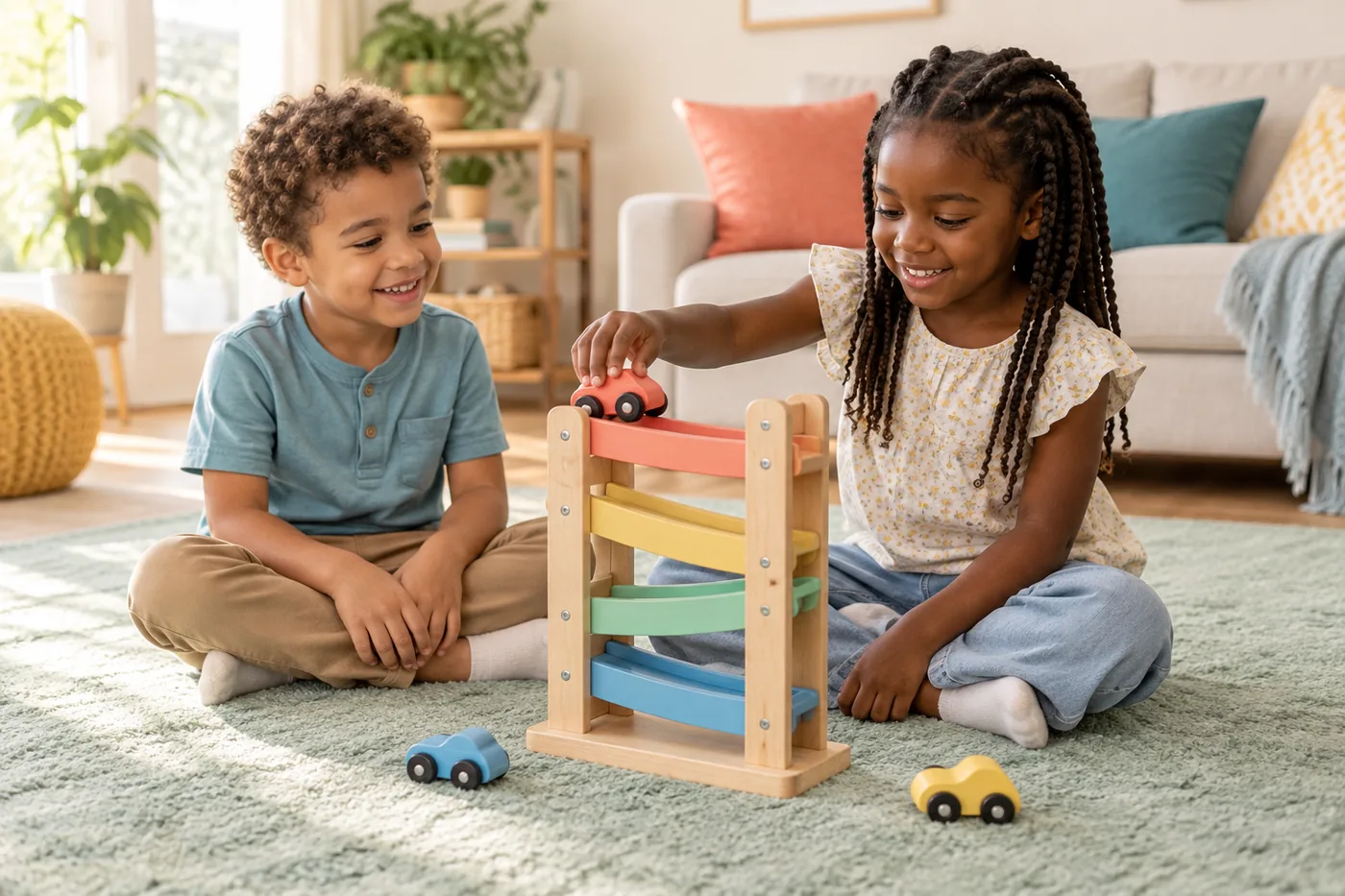
When ABA is done well, much of a session looks like play: following your child's lead and setting up chances to practice.

Board Certified Behavior Analyst: the clinician who designs your child's plan and oversees it.
Registered Behavior Technician: the person who runs most sessions with your child, supervised by a BCBA.
Your child's own yes: words or actions that show they're willing to take part.
Augmentative and alternative communication: pictures, signs or a talking device your child can use.
What follows a behavior and makes it more likely to happen again, like a high five or a turn with a favorite toy.
A hint that helps a child get it right, like pointing, showing how or saying the first sound of a word.
Pulling back prompts step by step, as a child does more on their own.
Using a skill beyond where it was learned: at school as well as at home, or with a grandparent as well as a parent.
Fair questions
Some autistic adults and advocates, including the Autistic Self Advocacy Network (ASAN), have criticized ABA. We take that seriously, and we're glad to talk it through before you decide.
ABA is one option. Other families choose:
If you start ABA with us and it isn't right for your family, you can stop.